Table of Contents
When it comes to keeping our homes clean and hygienic, one of the biggest challenges that homeowners face is dealing with household pests. Whether it’s an infestation of ants, cockroaches, mice, or other creepy crawlies, these pests can not only be unsightly but also pose a threat to our health and well-being. In London, there are several common household pests that homeowners may encounter, and it’s important to know how to identify them and take appropriate measures to control their populations. In this article, we’ll take a closer look at some of the most prevalent household pests in London and provide tips on how to prevent and manage infestations.
Common Pests Found In London
London is home to a variety of common pests that can cause significant issues in the home if left uncontrolled. From small ants, mice, and rats to larger creatures such as foxes and birds, pest problems should be addressed quickly by a professional pest control service.
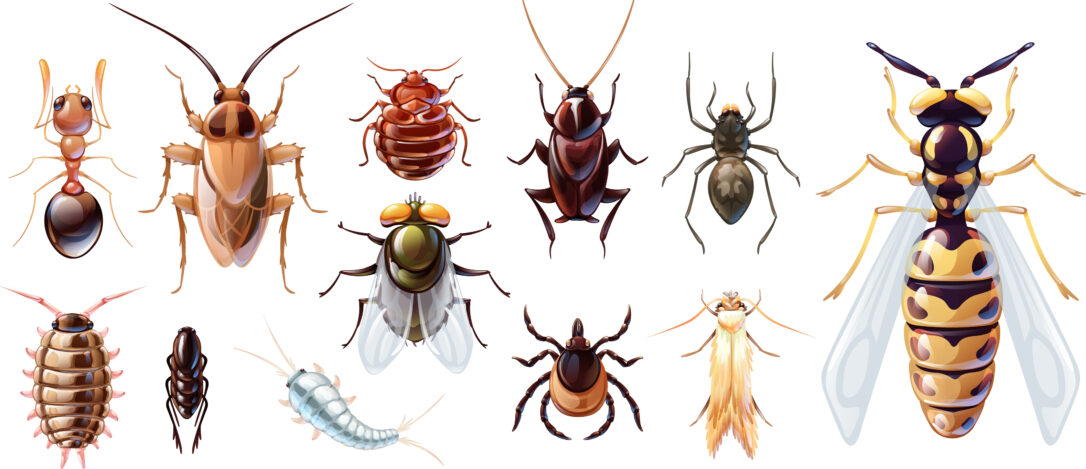
Here is a list of some of the most commonly found pests in London homes:
Local pest controllers in London will have experience dealing with these types of infestations and use effective methods for eliminating them from your property. Homeowners should never attempt to tackle a serious pest problem themselves, as this could put their safety at risk or worsen the issue further.
The use of traps and sprays can prove useful against certain types of pests; however, professional help should always be sought if you suspect an infestation may have occurred, as they will often provide more comprehensive treatments and advice on preventative measures that could further reduce the chances of another outbreak occurring in the future.
Pest Prevention Tips For Homeowners
Pest prevention is a key factor in the successful management of any infestation. Professional pest control companies are available to provide advice and support in developing effective strategies for dealing with pests, such as using traps, repellents, or physical barriers.
Homeowners can also take action by implementing proactive measures to reduce the risk of an infestation occurring in the first place. These steps may include:
- Sealing up cracks and crevices: Ants, spiders, and other small pests can easily enter a home through tiny cracks and crevices. Sealing these gaps can prevent them from gaining access to your property.
- Removing sources of food, water, and shelter: Pests are attracted to buildings that offer easy access to food, water, and shelter. Keeping your property clean and free of clutter, fixing any leaky pipes, and storing food in airtight containers can help reduce the likelihood of infestations.
- Keeping outdoor areas clean and clear of debris: Outdoor areas, such as gardens and yards, can provide ideal habitats for pests. Clearing away any debris, such as leaves and branches, and keeping your grass and bushes trimmed can help reduce the likelihood of pests making their way into your home or business.
- Regularly checking for signs of damage or droppings: Pests can leave behind visible signs of their presence, such as droppings or damage to furniture or walls. Regularly checking for these signs can help you identify an infestation early on.
- Maintaining good housekeeping standards: A clean and well-maintained property is less likely to attract pests. Regularly vacuuming, dusting, and wiping down surfaces can help keep your home pest-free.
It’s important for homeowners to take proactive steps towards preventing pest infestations before they become an issue; this includes regularly inspecting areas where pests might enter, keeping food waste stored away securely, and disposing of waste properly so it doesn’t attract unwanted visitors into your home.
The best way to ensure you don’t face any major pest issues is to contact reputable local services offering comprehensive UK pest control solutions tailored for residential and commercial properties.
How can I find Pest control near me?
When looking for local options, use terms such as ‘pest control near me’, ‘pest control services near me’, ‘cheap pest control near me’, ‘pest control in my area’ ‘commercial pest control near me’ or ‘pest control company near me’ will yield results tailored exactly to your location.
Picking a reliable, experienced pest control professional who provides good value for money can help ensure that your property remains free from unwelcome guests for years to come.
Resources For Pest Control In The UK
Pest control is an important part of home and business maintenance in the UK that should not be neglected. Fortunately, there are many resources available to those seeking assistance with pest control issues near them.
1. The British Pest Control Association (BPCA): The BPCA is the UK’s leading professional body for pest control and public health professionals. They provide advice, guidance, and training on best practices and health and safety.
2. The National Pest Technicians Associations (NPTA): The NPTA is a professional trade association that represents all sectors within the public health and pest control industry.
3. The Pest Management Alliance (PMA): The PMA is an alliance of leading pest management companies in the UK, providing training, advice, and industry standards.
4. The Chartered Institute of Environmental Health (CIEH): The CIEH is the UK’s professional body for environmental health practitioners. They provide training, advice and guidance on best practices in pest management.
5. The National Farmers’ Union (NFU): The NFU is the UK’s largest farming organisation, providing advice and support to farmers on a range of issues, including pest control.
Frequently Asked Questions
Are There Any Health Risks Associated With Having Pests In My Home?
Pest infestation in the home is a cause for concern, as it can have serious implications for human health. Certain pests such as rodents and cockroaches may carry disease-causing bacteria or parasites that can spread to humans through contact or by contaminating food supplies. In addition, some pests like fleas and mosquitoes are known vectors of certain diseases, which means they can transmit infections directly from one host to another.
What Is The Most Cost-Effective Way To Get Rid Of Pests In My Property?
When it comes to cost-effective pest control, prevention is the key. Keeping your home clean and free of food scraps will help reduce the likelihood of pests entering in the first place.
Regular inspections should also be carried out to identify any potential entry points or areas where pests may have taken up residence.
If a problem has already developed, there are various methods available depending on the type of infestation. These include using traps, insecticides, and other forms of chemical treatment as well as physical removal by an experienced professional.
All these measures combined can provide effective solutions for getting rid of common household pests in London.
Is It Necessary To Hire A Professional Pest Control Service?
When it comes to the question of whether or not it is necessary to hire a professional pest control service, there are several factors that need to be taken into account.
In most cases, hiring a specialist can provide comprehensive solutions which may not be achievable without their expertise and resources. This includes being able to identify the source of infestation as well as using effective treatments that will help eliminate pests in an efficient and safe manner.
Furthermore, due to the specialized knowledge and experience of professionals, they are better equipped to handle any potential risks associated with dealing with pests such as various diseases or allergies.
Are There Any Natural Solutions For Removing Pests From My Home?
When it comes to removing pests from the home, there are a number of natural solutions available.
Homeowners can reduce their pest problem by using preventive measures such as sealing cracks and crevices on exterior walls and ensuring windows and doors are properly sealed. This is particularly effective for keeping out ants, beetles, mosquitoes, mice and spiders.
Other methods include setting traps or baits in areas where the infestation is suspected; vacuuming up insects with a vacuum cleaner; disposing of any standing water that could be providing an ideal breeding ground for mosquitoes; cleaning kitchen surfaces regularly to eliminate food sources; and cutting back any vegetation close to the house that might provide shelter or food sources for pests.
How Often Should I Inspect My Home For Pests?
Regular inspections of your home or business are an important part of pest control.
To ensure that pests do not become a problem, it is recommended to inspect all areas of the property on a monthly basis.
This inspection should be more thorough than just looking for visible signs of infestation, as some pests may remain hidden in hard-to-reach places or tiny crevices.
It is especially important to check any possible entry points into the house, such as windows and door frames, which can provide easy access to pests.
How Can I Find a Reliable Pest Control Service?
Finding a reliable pest control service can be a daunting task for home and business owners. However, there are several ways to find a professional and trustworthy service provider.
One of the most effective ways is to ask for recommendations from friends, family, or neighbours who have had experience with pest control services. They can provide valuable insights into the quality of service provided, pricing, and the effectiveness of the treatments used.
Another option is to search for local pest control services online. A simple search using keywords such as “pest control near me” or “pest control services in my area” can provide a list of service providers that are located nearby.
Once you have a list of potential pest control service providers, it is important to do your research. Check their website for information about the company, read reviews from previous customers, and inquire about their experience and qualifications.
What Are Some Preventative Measures I Can Take To Avoid Pest Infestations?
Preventing a pest infestation on your property is much easier than dealing with one after it has already occurred. Here are some preventative measures that you can take to avoid pest infestations:
- Keep your home or business clean and tidy: Pests are attracted to clutter and mess, so keeping your home clean and tidy is an important preventative measure. Regularly vacuuming, sweeping, and wiping down surfaces will help to eliminate food scraps and other debris that may attract pests.
- Seal entry points: Pests can enter your home through even the tiniest cracks and crevices, so it’s important to seal up any entry points. This includes gaps around doors and windows, as well as holes in walls and floors.
- Store food properly: Pests are attracted to food, so it’s important to store your food properly. This means keeping it in airtight containers, not leaving food out on counters or tables, and cleaning up any spills or crumbs immediately.
- Maintain your garden: Your garden can be a breeding ground for pests, so it’s important to maintain it properly. This includes trimming back trees and shrubs, keeping the grass cut short, and removing any debris or rubbish.
- Fix leaks: Pests are attracted to moisture, so fixing any leaks in your property is an important preventative measure.
Can Pest Infestations Be Prevented During Home Construction?
Preventing pest infestations during home construction is much easier than dealing with them after they occur. Here are some measures that can be taken during home construction to prevent pest infestations:
- Seal up entry points: During construction, it’s important to seal up any entry points to prevent pests from entering the home. This includes gaps around doors and windows, as well as holes in walls and floors.
- Use pest-resistant materials: Using pest-resistant materials during construction can help to prevent infestations. This includes using pressure-treated wood, which is resistant to termites and other pests.
- Install proper ventilation: Proper ventilation is important for preventing moisture buildup, which can attract pests. This includes installing vents in the roof and walls, as well as using exhaust fans in bathrooms and kitchens.
- Work with a professional: Working with a professional pest control service during construction can help to prevent infestations. They can provide advice on the best methods for preventing pests, as well as provide treatment options if necessary.
What Are Some Common Signs of a Pest Infestation?
It’s important to be able to recognize the signs of a pest infestation on your property so that you can take action quickly. Here are some common signs of a pest infestation:
- Droppings: Pests such as mice, rats, and cockroaches will leave droppings behind. These can often be found near areas where the pests are active, such as in cupboards, behind appliances, or in corners.
- Chew marks: Pests such as rodents will often chew on materials such as wood, plastic, and wiring. Look for chew marks on furniture, walls, and wires.
- Nests: Pests such as rodents and birds will often build nests in hidden areas such as attics or wall cavities. Look for signs of nesting materials such as twigs, grass, or feathers.
- Strange noises: Pests such as rodents and birds will often make noises such as scratching, rustling, or chirping. These noises are often heard at night when the pests are most active.
- Foul odours: Pests such as rodents and insects can produce foul odours that are often described as musty or urine-like.
If you notice any of these signs, it’s important to contact a professional pest control service as soon as possible.
What Should I Do If I Suspect a Pest Infestation in My Home?
If you suspect a pest infestation in your home, it’s important to take action quickly to prevent the infestation from spreading. Here’s what you should do:
- Contact a professional pest control service: A professional pest control service can provide effective treatment options for eliminating pests from your home.
- Identify the type of pest: It’s important to identify the type of pest that has infested your property so that the appropriate treatment can be used.
- Seal entry points: Once the infestation has been eliminated, it’s important to seal up any entry points to prevent pests from entering your home in the future.
- Take preventative measures: Taking preventative measures such as keeping your property clean and tidy, sealing entry points, and storing food properly can help to prevent future infestations.
Read this next
Complete Guide: Methods to Eliminate Different Types of Pests
Was This Article Helpful?
- Please provide feedback and comments to help us improve our content.
- Share your experiences with bedbugs and any additional tips you have for dealing with them.
Share this Post