
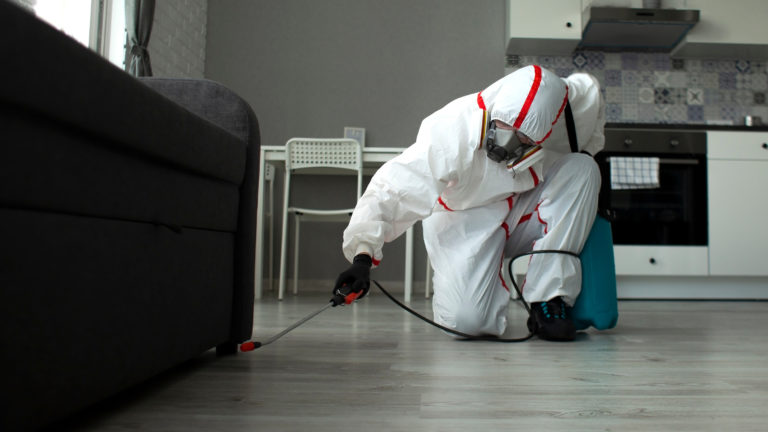
There is no standard UK council price for pest control. Each local authority decides whether it offers a pest-control service, which pests it covers, who is eligible and what it charges. Some councils subsidise particular treatments or offer concessions, while others charge the full cost or direct residents to private contractors.
The only reliable price is the current fee published by your own council for your pest, property type and circumstances. GOV.UK advises residents to contact their local council to find out whether a service is available and whether a fee applies.
How much does council pest control cost?
Charges vary too widely to give a meaningful national average. A treatment that is subsidised or free for an eligible resident in one area may cost substantially more—or not be offered at all—by the neighbouring authority. Fees can also change at the beginning of a council’s financial year.
- The type of pest and treatment required
- Whether the property is domestic, rented, council-owned or commercial
- The number of rooms, units or visits included
- Whether an inspection or call-out fee applies
- Eligibility for a concession based on benefits, council-tax support or tenancy
- Whether proofing, follow-up visits or additional treatments cost extra
For this reason, old comparison tables and generic “average council prices” quickly become misleading. Check the council’s own booking page and confirm what the quoted fee includes before paying.
How to find your council’s current price
- Use the official GOV.UK council pest-control finder or visit your council’s website directly.
- Look for a page headed “pest control”, “environmental health” or “fees and charges”.
- Select the exact pest. Councils often cover only a defined list, and the charge can differ by species.
- Check the property and eligibility conditions. Prices for owner-occupiers, tenants, landlords and businesses may differ.
- Confirm the number of visits, cancellation conditions, preparation requirements and whether retreatment is included.
If the website is unclear, contact the council before booking. Do not rely on a price quoted by an older article, forum post or neighbouring authority.
Which pests will a council treat?
Coverage differs by authority. Depending on the area, a council service may deal with some combination of rats, mice, cockroaches, bed bugs, fleas, ants or wasps. Other pests may be excluded, restricted to particular property types or referred to a private specialist.
The official GOV.UK guidance is deliberately general: residents should contact their council to find out whether it provides the required service. The council’s current pest list is therefore more useful than a nationwide list that suggests every authority offers the same treatments.
Can council pest control be free or discounted?
Sometimes, but it is not an automatic UK-wide entitlement. Individual councils may provide free or reduced-cost treatment for selected pests, certain council or housing-association tenants, or residents meeting their concession criteria. Another authority may charge every domestic customer.
Check what evidence is required before booking. A concession may depend on the named person receiving a qualifying benefit or council-tax reduction, and it may apply only to specific treatments.
What if you rent your home?
Report the problem promptly to the landlord, letting agent, housing officer or managing agent as appropriate, particularly where the suspected cause involves building defects, drainage, shared areas or activity affecting more than one property. Responsibility can depend on the source of the infestation, the tenancy arrangements and the condition of the property.
Keep dated photographs, messages and treatment reports. If responsibility is disputed, seek current housing advice rather than assuming that either the tenant or landlord must always pay.
Council service or private pest controller?
A council service may be suitable when it covers the pest, has appointments available and its treatment scope meets your needs. A private contractor may offer a broader pest range, different appointment options, specialist proofing or a more detailed commercial service. Neither option should be judged on the headline price alone.
- What inspection is included?
- How many visits or treatments are covered?
- Are proofing and repairs included or quoted separately?
- What preparation and safety instructions apply?
- What happens if activity continues after the included visits?
- Will you receive a written report and recommendations?
Frequently asked questions
Does every council offer pest control?
No. GOV.UK directs residents to check whether their local council provides the service. Availability and the pests covered are local decisions.
Why do council pest-control prices differ?
Authorities operate different services and concession policies. Treatment scope, staffing, visit numbers, property type and the pest involved can all affect the fee.
Can the council treat a business?
Some councils accept commercial work and others restrict their service to domestic premises. Business pricing and terms are usually separate, so confirm directly with the authority.
Need an alternative quote?
If your council does not cover the pest, cannot attend within the required timeframe or does not provide the inspection and follow-up you need, Bugwise offers pest-control services across London and Essex. You can request a tailored quote based on the pest, property and treatment requirements.
Official source: GOV.UK: Pest control on your property.


