Table of Contents
Bedbugs can be difficult to eliminate, so you may need to employ various approaches to eradicate them. Identify and contain infested areas, then use chemical and non-chemical treatments to exterminate the pests.
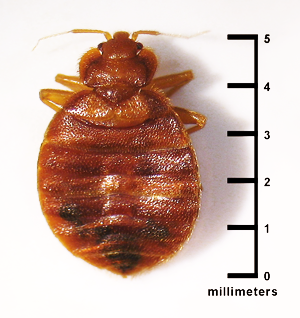
Bedbugs are about 5 millimetres in size, making them smaller than a pencil eraser. These insects are intelligent, resilient, and reproduce rapidly. They can hide effectively to avoid detection and survive for months without feeding. A female bedbug can lay up to 500 eggs in her lifetime.
Unsurprisingly, these tiny blood feeders can cause significant issues in your home. Their bites can leave red, itchy welts all over your body.
Can You Get Rid of Bed Bugs on Your Own?
Although it is possible to treat bed bug infestations on your own, it can be a difficult and time-consuming process. If your infestation is severe or if DIY methods have proven ineffective, it’s best to call in a professional exterminator to handle the situation.
DIY vs. Professional Help
- DIY methods can be effective for small, localized infestations.
- Professional exterminators can quickly and effectively eliminate bed bugs in severe or widespread infestations.
When to Call an Exterminator
- If DIY methods have failed to eliminate the infestation.
- If bed bugs have spread to multiple rooms or areas of your home.
- If you’re unsure how to properly treat the infestation.
Step 1: Identify All Infested Areas
Signs of Bed bug Infestations
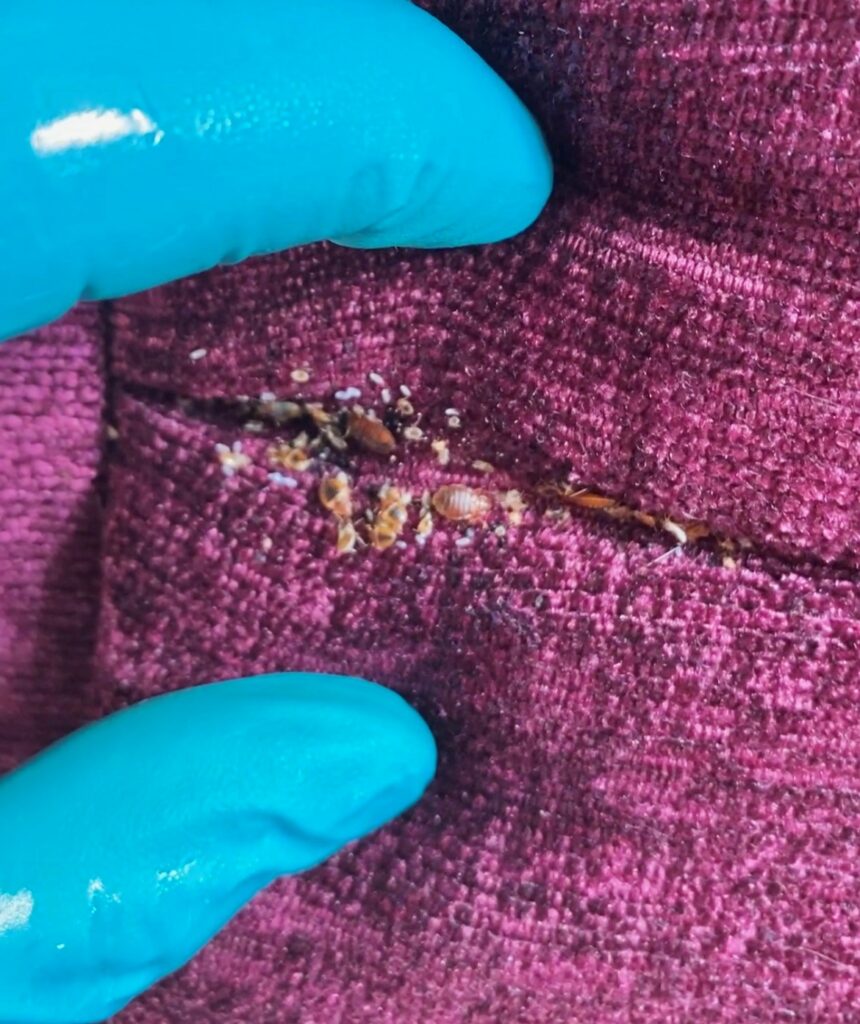
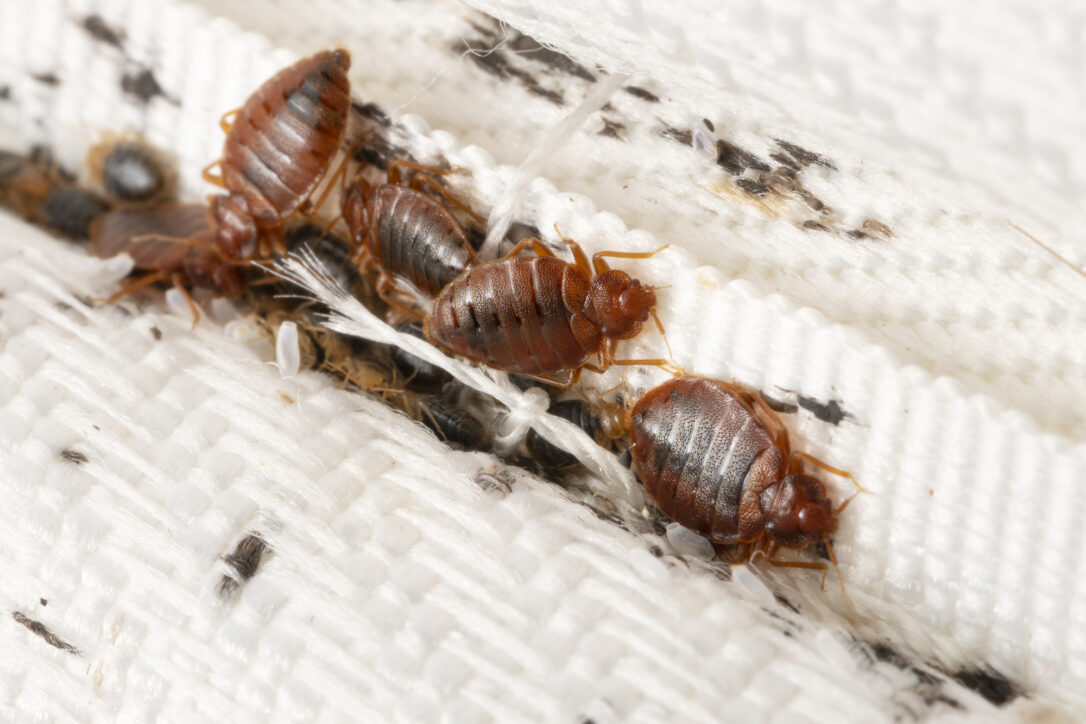
- Small, reddish-brown bugs (adult bed bugs are about the size of an apple seed).
- Tiny, white eggs or eggshells.
- Small, dark faecal spots on mattresses, bedding, or walls.
- Tiny bloodstains on sheets or pillowcases.
- A musty odour in the room.
Common Hiding Spots
- In seams, crevices, and folds of mattresses and box springs.
- In bed frames, headboards, and nightstands.
- In upholstered furniture, such as chairs and couches.
- In curtains, carpet edges, and baseboards.
- Behind wall decorations, outlet covers, and switch plates.
Step 2: Contain the Infestation
Quarantine Affected Areas
- Close off infested rooms and keep non-infested areas separate.
- Avoid moving items from infested areas to non-infested areas.
Seal Belongings in Airtight Bags
- Seal clothing, bedding, and other washable items in airtight bags.
- Store sealed bags away from infested areas until they can be laundered.
Step 3: Prep for bed bug Treatment
Clean and Declutter
- Remove clutter from infested rooms to eliminate hiding spots.
- Vacuum floors, carpets, and upholstered furniture thoroughly.
- Dispose of vacuum bags in a sealed plastic bag outside your home.
Launder Infested Items
- Wash all washable items in hot water (at least 120°F) and dry on the highest heat setting.
- For items that can’t be laundered, consider using a clothes steamer to kill bed bugs and their eggs.
Step 4: Kill the Bed bugs
Nonchemical Treatments
- Vacuuming and steam cleaning can help remove bed bugs and their eggs from surfaces.
- Heat treatment using a portable heat chamber or specialized equipment can effectively kill bed bugs and their eggs.
Chemical Treatments
- Pesticides designed for bed bugs, such as pyrethroids, can be applied to infested areas.
- Insect growth regulators (IGRs) can disrupt the growth and reproduction of bed bugs.
Step 5: Evaluate and Prevent Future Bed Bugs
Reassess the Situation
- After treatment, regularly inspect your home for signs of bedbugs.
- If bed bugs persist, consider calling a professional exterminator.
Regularly Inspect for Signs of Bed bugs
- Check mattresses, bedding, and furniture for signs of bed bugs.
- Inspect luggage and personal items after travelling, as bed bugs can hitchhike on these items.
Step 6: Get the Pros Involved
When to Call an Exterminator
- If multiple treatments have failed to eliminate the infestation.
- If bedbugs have spread to multiple rooms or areas of your home.
- If you’re unsure how to properly treat the infestation.
What to Expect During Professional Treatment
- A thorough inspection of your home to identify infested areas.
- A customized treatment plan may include a combination of nonchemical and chemical methods.
- Follow-up visits to ensure the infestation has been completely eradicated.
Step 7: Keep the Bed Bugs Out
Preventative Measures
- Regularly inspect your home for signs of bedbugs, especially in bedrooms and living areas.
- Use mattress and box spring encasements designed to prevent bedbugs from entering or escaping.
- Keep your home clean and clutter-free to reduce hiding spots for bedbugs.
- Seal any cracks or crevices in walls, floors, and baseboards to eliminate potential entry points.
Travel Precautions
- Inspect hotel rooms for signs of bedbugs before settling in.
- Keep luggage and personal items off the floor and away from beds and furniture.
- Launder all clothing and inspect luggage for bedbugs upon returning home.
How to Get Rid of Bed Bugs At Home
Nonchemical Treatments
- Vacuuming and steam cleaning can help remove bedbugs and their eggs from surfaces.
- Heat treatment using a portable heat chamber or specialized equipment can effectively kill bedbugs and their eggs.
Chemical Treatments
- Pesticides designed for bedbugs, such as pyrethroids, can be applied to infested areas.
- Insect growth regulators (IGRs) can disrupt the growth and reproduction of bedbugs.
Bed Bugs Bites
Identifying Bed Bug Bites
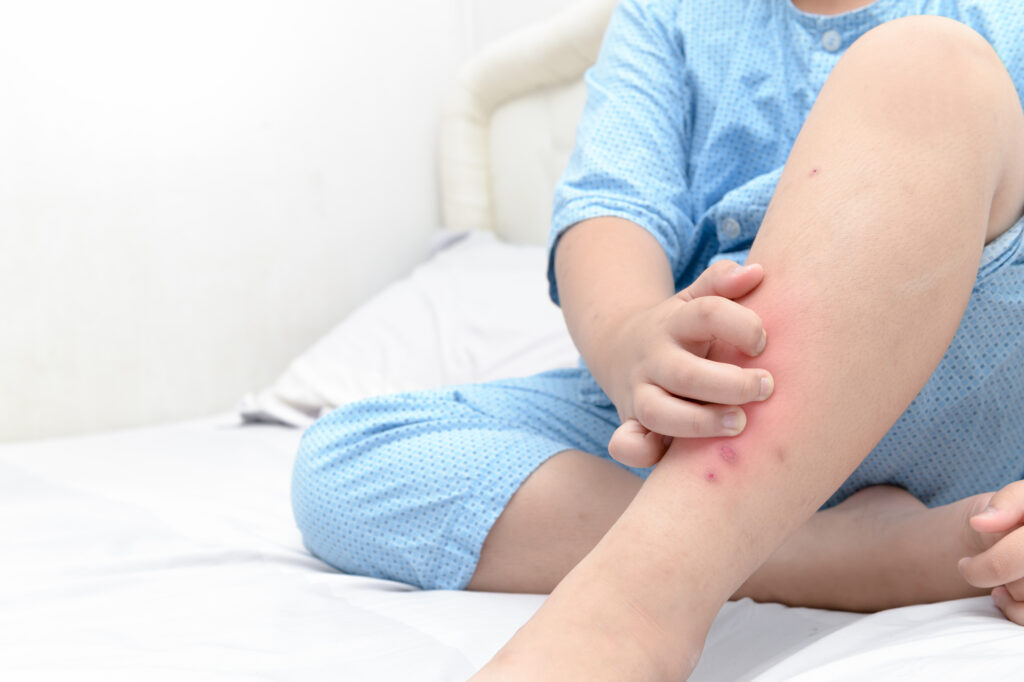
- Bed bug bites can be small, red, and itchy.
- They often appear in a linear or clustered pattern.
- Bedbug bites can be difficult to distinguish from other insect bites.
Treatment for Bed bug Bites
- Apply over-the-counter hydrocortisone cream or calamine lotion to relieve itching and inflammation.
- Take oral antihistamines to help reduce itching and swelling.
- Keep the affected area clean and avoid scratching to prevent infection.
Preventing Bed bugs
- Check for bed bugs when staying in a hotel or motel. Look for signs of an infestation such as dark spots on the mattress or bedding, as well as tiny eggs and shed skins.
- Check second-hand furniture and other items for signs of bed bugs before bringing them into your home.
- Reduce clutter in your bedroom to make it easier to spot bed bugs.
- Wash and dry bedding, curtains, and clothing on the highest setting possible to kill any bed bugs.
- Call a pest control professional if you have a severe infestation of bed bugs.
FAQs
What are the signs of a bed bug infestation?
Look for small, reddish-brown bugs, tiny white eggs or eggshells, dark faecal spots on bedding or walls, bloodstains on sheets, and a musty odour.
Can I get rid of bed bugs on my own?
DIY methods can be effective for small infestations, but professional help may be necessary for severe or widespread infestations.
What are some nonchemical treatments for bed bugs?
Vacuuming, steam cleaning, and heat treatments can help eliminate bedbugs and their eggs without the use of chemicals.
How can I prevent bed bugs from infesting my home?
Regularly inspect your home, use bedbug-proof mattress encasements, keep your home clean and clutter-free, and seal cracks and crevices in walls and floors.
How can I treat bed bug bites?
Apply over-the-counter hydrocortisone cream or calamine lotion, take oral antihistamines, and keep the affected area clean to help relieve itching and prevent infection.
You may also enjoy reading this article
Was This Article Helpful?
- Please provide feedback and comments to help us improve our content.
- Share your experiences and any additional tips you have for dealing with pests.
Share this Post