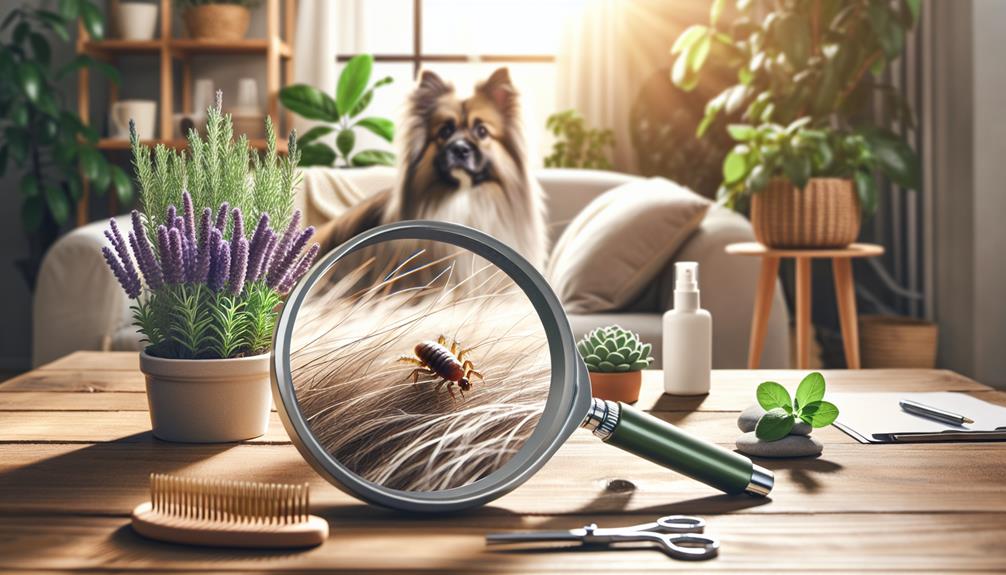

Explore quick tips to pest proof your home this winter, ensuring a safe and healthy environment for your family. Your home should act as a fortress, not only against the biting winter chill but also as a pest-proof barrier against unwanted critters. Avoid transforming your warm haven into a nesting ground for pests seeking respite from the cold. Through these ten effective steps, you’ll master how to pest proof your home by sealing off weak spots, maintaining your outdoor spaces, and keeping a watchful eye, ensuring a pest-free environment.
This approach is more than just pest control; it’s about crafting a healthier living space for you and your family. Let’s embark on this pest-proofing journey together, fortifying your home against these unwelcome winter invaders.
Key Takeaways
- Identify common winter pests and their behaviors
- Take preventive measures such as sealing cracks and inspecting entry points
- Trim nearby shrubs and trees to reduce the risk of pests
- Properly store firewood away from the home’s foundation
Identifying Common Winter Pest Proof
While you’re taking steps to pest proof your home, you must know how to identify the common pests that might invade in the winter months. Cold weather sends mice, rats, and other pests and rodents scurrying for the warmth of your home. Your winter pest control efforts should start with identifying common winter pest proof.
Mice and rats leave droppings and gnaw marks, indicating their presence. Cockroaches, often found in kitchens and bathrooms, will leave behind a distinct smell. Spiders and ants might be seen looking for warmth in your living areas. And don’t forget about squirrels and bats who might be drawn to your attic.
Knowledge goes a long way in maintaining a pest proof home in winter.
Sealing Home Entry Points
After identifying potential winter pest proof, you must start sealing home entry points in your winter home to keep them out.
Begin by re-caulking all windows and doors. This seals any cracks that could allow pests entry.
Next, replace any damaged screens with storm windows. These provide a solid barrier against pests.
Install an aluminum door sweep on exterior doors. It stops pests from sneaking in underneath.
Inspect your home thoroughly, ensuring all entry points are sealed up tight.
Lastly, don’t overlook small gaps. Even these tiny spaces can provide access for pests.
Trimming Nearby Shrubs and Trees
You’ll significantly reduce the risk of winter pests by trimming nearby shrubs and trees around your home. Overgrown vegetation can serve as a bridge for pests looking for warmth and shelter during the harsh winter months.
By maintaining a buffer between your house and the greenery, you’re eliminating potential entry points. Remember, pests can use branches to bypass the pest proofing measures on your home’s exterior.
Moreover, cleaning up fallen fruit deters pests from being attracted to your yard. This practice is especially important for fruit trees, which can be a magnet for different pests.
Correct Firewood Storage Methods
Handling firewood correctly is another key step in keeping your home pest-free during winter. The correct firewood storage methods not only protect your home but also contribute significantly to pest prevention.
You must store firewood at least 20 feet away from your home’s foundation and five inches off the ground. This distance helps disrupt potential nesting sites, thereby making your home pest proof for winter.
Don’t forget to regularly disrupt and move the woodpile. This simple action can ward off pests seeking a cosy winter hideout.
In addition, use a cover to shield the top of the woodpile from snow, but leave the sides open for ventilation.
These steps round off the 10 ways to pest proof your home in winter.
Christmas Tree Pest Prevention
Switching gears, let’s talk about your Christmas tree, another potential source of pests during winter.
It’s essential to inspect live trees before bringing them into your home this winter. Visit tree farms equipped with tree shakers, an effective method for dislodging unwanted guests. This is a valuable tip for winter pest-proof.
Furthermore, be cautious of inadvertently introducing pests into your home on Christmas trees. A careful inspection for signs of infestation can help prevent pests and keep your home safe.
Maintaining Moisture-Free Interiors
Managing your home’s interior moisture is key to maintaining a pest-free environment during winter months. Damp areas inside your home, like the basement or bathroom, can attract pests seeking warmth and water during the colder months. It’s necessary to identify and fix leaks promptly, thoroughly drying any standing water.
Maintain moisture-free interiors by regular cleaning, particularly after meals, to remove potential food sources for pests. Pay attention to hard-to-reach spots like under and behind appliances, as these can harbour unwanted visitors.
Ensuring your home’s interiors remain dry and clean can be a challenge, but it’s worth the effort. After all, a winter without pests will ensure a more comfortable and enjoyable season for you and your family.
Proper Grocery and Produce Handling
You’ve got to be careful when bringing groceries and produce into your home, as they can often be a hidden source of pests. Make sure to rinse your produce thoroughly to remove any pests or eggs that may have hitched a ride.
After rinsing, store all fruits and vegetables in airtight containers. This prevents the tempting aroma of your food from attracting pests.
Always keep all food and food leftovers properly stored and your kitchen and dining area clean. This eliminates available food sources for pests.
Regularly inspect your groceries for signs of pests before bringing them in.
Finally, take out the trash regularly to prevent it from becoming a pest’s paradise.
With these proper grocery and produce handling steps, you’re one step closer to a pest-free winter home.
Fireplace Cleaning and Maintenance
How about your fireplace and chimney, have you considered them in your pest-proofing plan?
Fireplace cleaning and maintenance are crucial to prepare your house for winter and keep pests at bay. Regularly inspect your chimney, clearing out any nests and sealing cracks that could serve as entry points. This prevents pests from seeking shelter in these warm, secluded areas.
Maintaining your fireplace damper in good condition is also essential as it can deter pests from entering your home. Keep the area around your fireplace clean and clutter-free to discourage pests from hiding there.
If needed, don’t hesitate to seek professional reinforcements to ensure thorough pest-proofing around your fireplace and chimney.
Importance of Regular Cleaning
Beyond keeping your fireplace and chimney pest-free, regular cleaning throughout your home plays a significant role in pest-proofing during winter. The importance of regular cleaning can’t be overstated. It’s critical to keep your kitchen and dining areas clean, making sure to remove food residues. This reduces food sources, deterring pests from entering your home.
Remember to inspect incoming items for signs of pests. A vigilant eye can prevent unwanted guests from infiltrating your sanctuary.
Also, keep the moisture level low around your home. Fix leaks and dry standing water promptly. This makes your home less attractive to pests seeking shelter.
Monitoring for Pest Activity Regularly
During winter, it’s essential for you to regularly monitor your home for any signs of pest activity. Be sure to check areas such as doors and windows, as well as other potential access points. These areas are critical to keep in mind as they’re common entry points for pests.
When monitoring for pest activity regularly, you should look for signs such as droppings, gnaw marks, or even the pests themselves. If you notice any unusual activity, it’s crucial to act quickly to prevent an infestation.
Frequently Asked Questions
How Do I Keep Bugs Out of My House in the Winter?
To keep bugs out in winter, you’ll need to seal cracks, maintain your yard, declutter, and practice good hygiene. Regularly inspect your home for signs of pests. Remember, prevention is always better than cure.
How Do I Keep Rodents Out of My House This Winter?
To keep rodents out this winter, you’ll need to seal any cracks or holes with foam or caulking. Trim overgrown trees near your home and maintain cleanliness in your kitchen to discourage these unwanted guests.
Is Pest Control Worth It in the Winter?
Pest control iss worth it in winter. Pests seek warmth, making your home attractive. Professionals can efficiently seal entry points, remove hiding spots, and eliminate any invaders. It’s a valuable investment for a pest-free winter.
What Pests Are Most Active in Winter?
You’ll find mice, rats, squirrels, bats, and cockroaches are more active in winter as they seek warmth and food. Spiders also move indoors to prey on insects, while termites and ants migrate to warmer areas.
In summary
By identifying common pests, sealing entry points, trimming vegetation, storing firewood correctly, checking your Christmas tree, handling groceries wisely, maintaining your fireplace, cleaning regularly, and keeping an eye out for pests, you’re taking control.
Remember, prevention is key to a pest-free winter.
This isn’t just about comfort, it’s about promoting a healthier home for you and your family.
Keep up the good work, and enjoy a cosy, pest-free winter.
You may also enjoy reading this article
Was This Article Helpful?
- Please provide feedback and comments to help us improve our content.
- Share your experiences and any additional tips you have for dealing with pests.
Share this Post