Table of Contents
Rats are a common household pest that can cause significant damage to your home and pose a serious health risk. Once they have infiltrated your residence, rats can be difficult to remove without the help of a professional exterminator.
However, by learning how to identify the signs of an infestation and taking preventative measures, you may be able to avoid dealing with these rodents altogether.
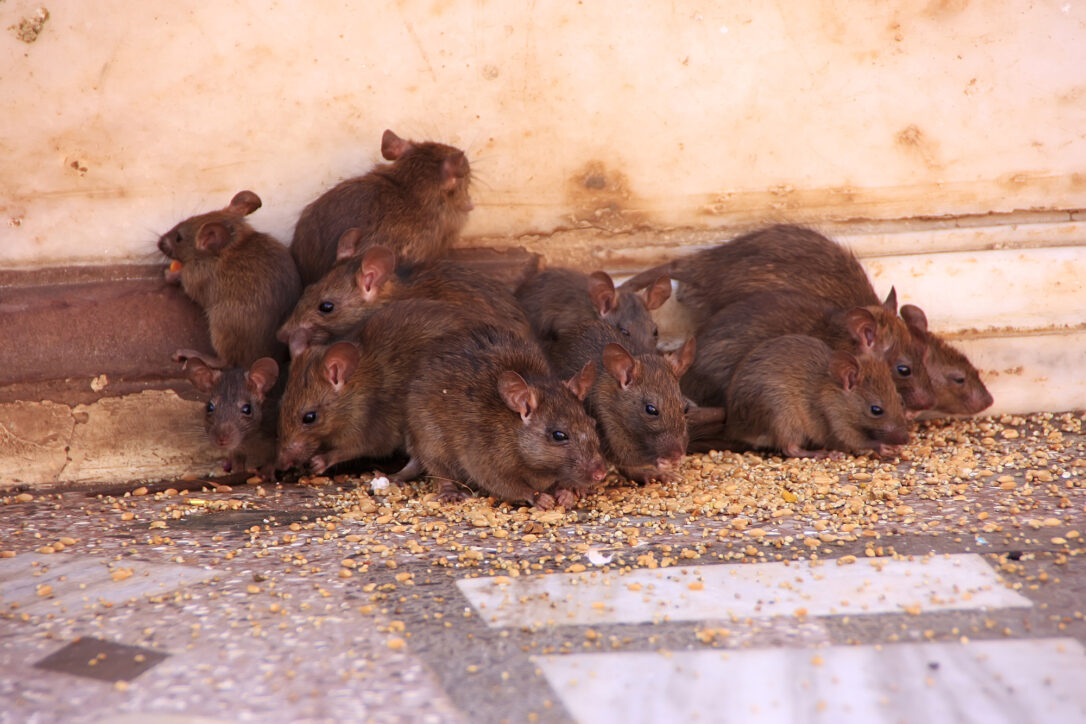
The first step in rat control is recognizing when you have a problem. Some early indicators of a potential infestation include droppings found around food sources or nesting areas, gnawed holes in walls or furniture, or unusual scratching noises coming from inside walls or ceilings.
If left unchecked, rats can reproduce quickly and create an ongoing issue for homeowners. But with proper knowledge and preparation, it is possible to effectively eliminate these unwanted guests from your home for good.
Identifying Signs Of A Rat Infestation
Rats are known to be nocturnal creatures, making it challenging to spot them during the day. However, certain behaviours can indicate their presence in your home.
One of these is the sight of rats scurrying around or running across floors and walls at night.
If you hear scratching noises from inside your ceiling or walls, this could also mean that rats have made a nest within your house.
Rats typically enter homes through small gaps and cracks in walls, soffits, eaves, vents or roofs. They can even use tree branches as leverage to gain access to attics where they then build nests for breeding purposes. It’s essential to inspect these areas regularly and seal any openings with materials such as steel wool or mesh wire to prevent entry.
The most apparent sign of a rat infestation is droppings found near food sources like cupboards, pantries, or behind appliances like refrigerators and stoves. Rats produce an average of 40-50 droppings per day which appear dark brown and cylindrical-shaped about half-inch long each time.
Similarly, gnaw marks on wood surfaces like doorframes or baseboards may serve as evidence of rodent activity since rats need to keep their teeth sharp by gnawing hard objects frequently.
Understanding the risks associated with rat infestations is crucial in ensuring your family’s health and safety. These pests carry various diseases that can be transmitted via contact with faeces or urine, including salmonella and leptospirosis.
Additionally, rats pose a significant fire hazard due to their tendency to chew through electrical wiring insulation material causing short circuits resulting in fires.
Understanding The Risks Of Rat Infestations
Rats are more than just a nuisance; they can pose serious health hazards to humans and pets. These rodents carry diseases, such as salmonella and hantavirus, which can be transmitted through contact with their urine, faeces, or saliva. Moreover, rats are known carriers of fleas and ticks that can spread other illnesses like Lyme disease and typhus fever.
In addition to health risks, rat infestations can cause significant property damage. Rats gnaw on electrical wires, wooden structures, insulation materials, and pipes – posing a fire hazard and undermining the structural integrity of buildings. Furthermore, rats often burrow in walls and ceilings causing unsightly cosmetic damage.
Sanitation issues also arise when there is an infestation of rats in your home. The presence of droppings, nesting materials, and grease marks along walls or baseboards indicates the need for professional pest control services immediately. Failing to act upon this will attract other pests like cockroaches that feed on decaying organic matter left behind by rats.
It’s important to understand legal obligations regarding rat infestations in rental units.
Psychological impact due to anxiety caused by living among rodents has severe consequences including insomnia.
Property owners must be proactive about addressing potential risk factors before an infestation occurs.
The first step towards preventing future rat infestations is identifying how these pests enter homes in the first place!
Preventative Measures To Avoid Rat Infestations
Preventing rats from entering your home in the first place is always preferable to dealing with an infestation. The key to rat prevention lies in rodent-proofing techniques, which involve sealing all potential entry points into your property.
This could mean anything from patching up holes in walls and ceilings to securing gaps around doors and windows. By eliminating these access points, you can significantly reduce the likelihood of a rat infestation.
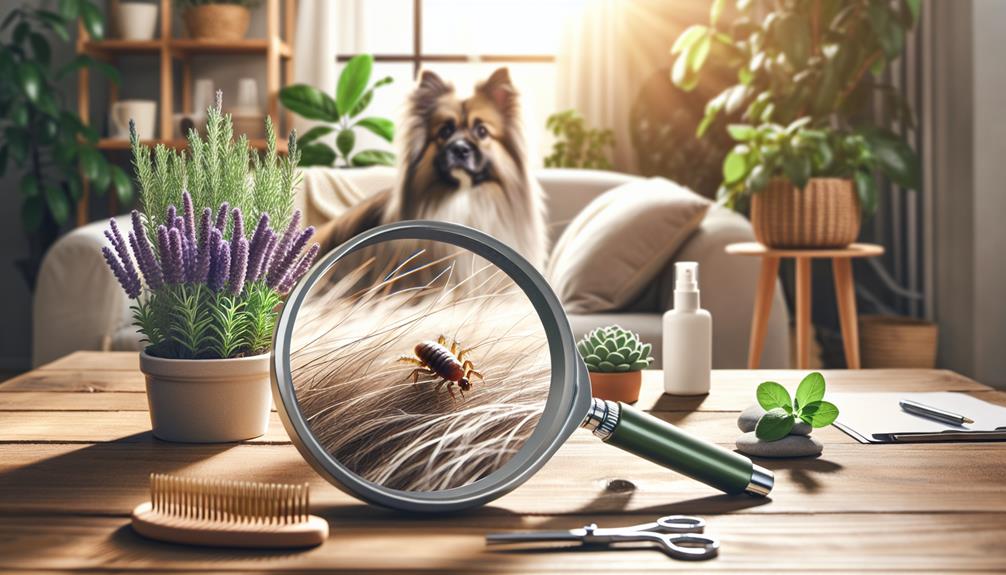
Another effective way of preventing rats from taking up residence in your home is through natural repellents. Many different types of plants have been proven to repel rodents, including peppermint, lavender and rosemary. Additionally, using essential oils or vinegar sprays around the perimeter of your house can be highly effective at deterring rats.
DIY rat prevention methods are another option for those looking to avoid pest control services altogether. Simple measures such as keeping food stored away securely and regularly cleaning up any crumbs or spills can go a long way towards making your home less attractive to rats. However, it’s important to remember that professional pest control may still be necessary if you’re unable to eliminate all potential attractants.
Safe And Effective Methods For Rat Extermination
As a pest control expert, I understand the importance of safe and effective methods for rat extermination.
There are several options available to homeowners that range from natural remedies to professional services.
One option is DIY solutions, such as setting traps and baits around your home. However, it is important to note that these methods can be dangerous if not handled properly. Additionally, rats may learn to avoid traps or become immune to certain types of bait over time.
For those who prefer humane methods, live traps can be used to capture rats without harming them. These traps should then be released far from residential areas to prevent the rats from returning. Natural repellents such as peppermint oil or garlic also have some success at deterring rodents.
If none of these options works, it may be necessary to seek out professional services for more advanced techniques like fumigation or poison application.
While getting rid of an infestation is crucial, it’s equally important to take steps towards maintaining a rat-free home.
Maintaining A Rat-Free Home
After successfully exterminating rats from your home, it is crucial to maintain a rat-free environment. This section will discuss the necessary steps for maintaining a rodent-free residence.
Firstly, pest control should be part of your routine. Regular monitoring and inspection can help detect early signs of infestation before they become severe. If you notice any evidence of rodents in your home, such as droppings or gnaw marks on furniture, contact professional pest control services immediately.
Secondly, hygiene practices are essential in deterring rats from entering your home. Rodents are attracted to food sources left out in the open or improperly stored. Ensure that all food containers have tight-fitting lids and store them appropriately off the ground. Additionally, clean up spills and crumbs promptly and dispose of garbage regularly.
Lastly, structural maintenance and rodent-proofing measures can prevent future infestations effectively. Seal all entry points with steel wool or caulking materials; this includes gaps around doors and windows, vents, cracks in walls and floors, pipes leading into the building or roof eaves. Professional services can also provide advice on other specific areas that need attention.
In conclusion, maintaining a rat-free environment requires consistent effort through pest control measures such as regular inspections, and proper hygiene practices like storing food correctly and disposing of waste properly while ensuring structural maintenance by sealing potential entry points is done effectively; thus reducing the risk of future infestations significantly.
Frequently Asked Questions
What are the common signs of a rat infestation in my home?
The common signs of a rat infestation include:
- Gnaw marks on food packages, wires, or wooden structures
- Rat droppings, which are small, dark, and pellet-shaped
- Scratching or scampering noises, especially at night
- Unusual pet behaviour, such as excessive barking or agitation
- Greasy smudge marks on walls or baseboards, caused by rats rubbing their bodies against surfaces
What are the potential health risks associated with a rat infestation?
Rats can carry various diseases that pose serious health risks to humans, such as hantavirus, leptospirosis, and salmonellosis. They can also contaminate food and surfaces with bacteria and parasites, potentially causing food poisoning. Additionally, rats can exacerbate allergy and asthma symptoms due to their dander, urine, and droppings.
What are some effective methods to get rid of rats in my home?
There are several methods to eliminate rats from your home, including:
- Using snap traps or live-catch traps baited with food
- Applying rodenticides or poison baits, but use caution if you have pets or children
- Sealing entry points such as holes, cracks, and gaps to prevent rats from entering your home
- Keeping your home clean and clutter-free to eliminate potential hiding spots and food sources
Can I use ultrasonic repellents to deter rats from my home?
Ultrasonic repellents emit high-frequency sounds that are meant to be unpleasant for rodents, but their effectiveness is often debated. Some people find them helpful, while others do not see any significant improvement. They can be used as a supplementary method but should not be solely relied upon to control a rat infestation.
When should I consider hiring a professional exterminator for a rat infestation?
You should consider hiring a professional exterminator if:
- The infestation is severe, and DIY methods have not been effective
- You are unsure how to properly use traps, baits, or other rat control products
- You have concerns about the health risks associated with rat infestations, especially if you have young children, elderly family members, or people with compromised immune systems in your household
- You want a comprehensive and long-term solution to your rat problem
You may also enjoy reading this article
Was This Article Helpful?
- Please provide feedback and comments to help us improve our content.
- Share your experiences and any additional tips you have for dealing with pests.
Share this Post