types of ants found in the UK

Types of Ants in the UK: How to Identify Common Species

The most common types of ants in the UK include black garden ants, yellow meadow ants, red ants, pharaoh ants, flying ants, wood ants and ghost ants. Most UK ant species are harmless outdoors, but some can become a problem when they enter homes, kitchens, wall cavities, gardens or commercial premises in search of food, warmth or nesting sites.

Different ants behave in different ways. Black garden ants are the ones most people see around patios, kitchens and paving slabs, while pharaoh ants are a more serious indoor pest that can spread through heated buildings and require professional treatment. Identifying the type of ant correctly is the first step towards choosing the right control method.

What Are Ants?

Ants are social insects from the family Formicidae. They live in organised colonies that can range from a small nest with a few hundred ants to large colonies containing thousands, or even millions, of individuals. Within each colony, ants have different roles, including workers, queens and males.

Worker ants are the ones most commonly seen foraging for food, travelling along trails, or entering homes through small gaps around doors, windows, pipework and brickwork. The queen’s main role is to reproduce, while males are usually produced for mating during certain times of the year.

Ants In The UK

Ants are very common across the UK and are found in gardens, lawns, patios, woodlands, parks, wall cavities and occasionally inside homes or businesses. Outdoors, they are usually part of the natural ecosystem, helping to break down organic matter, aerate soil and control small insect populations.

However, ants can become a nuisance when they nest too close to a property or start entering kitchens, food storage areas, bathrooms, conservatories or commercial premises. Correct identification matters because different UK ant species behave differently. A black garden ant problem in a kitchen is not treated in the same way as a pharaoh ant infestation inside a heated building.

Types of Ants Found in the UK

There are many different types of ants found across the UK. Some are mainly outdoor species that live in gardens, lawns, paving, parks and woodland areas, while others can become a problem inside homes, flats, restaurants, food businesses and heated commercial buildings.

Below are some of the most common UK ant species and how to recognise them.

Black Garden Ant

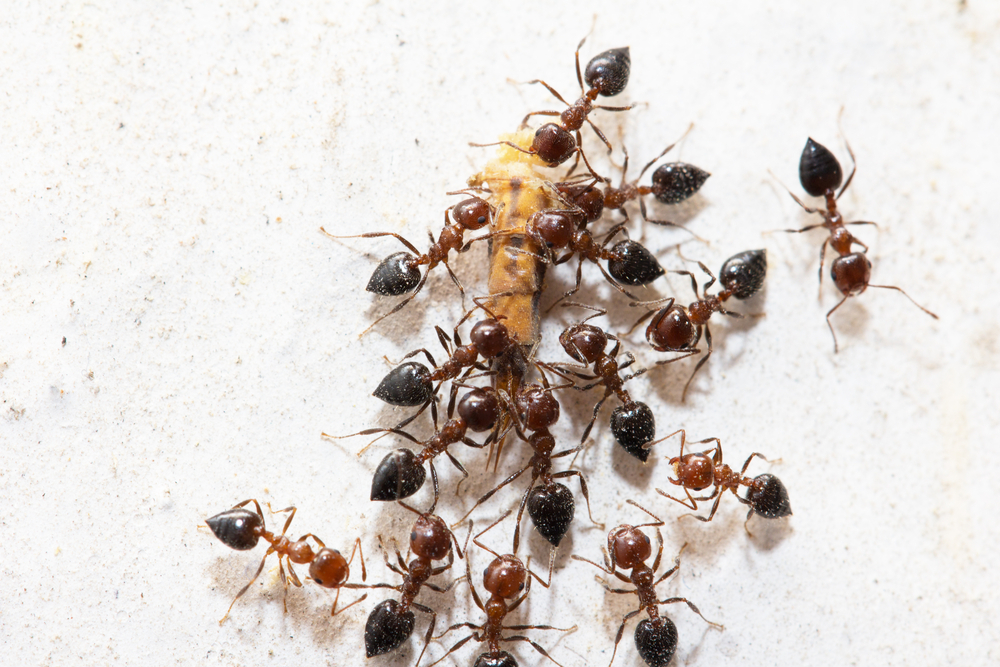
Black garden ants feeding

The black garden ant, also known as the common black ant, is one of the most frequently seen ants in the UK. These ants are usually dark brown to black in colour and are commonly found in gardens, patios, lawns, flower beds, parks and around paving slabs.

Black garden ants often become noticeable when worker ants start foraging for sweet foods, crumbs, pet food or spillages. They may enter homes through tiny gaps around doors, windows, air bricks, pipework or cracks in brickwork, especially during warmer months.

Outdoors, they are usually not harmful and form part of the natural environment. Indoors, however, they can quickly become a nuisance when long trails of ants appear in kitchens, cupboards or food preparation areas.

Wood Ants

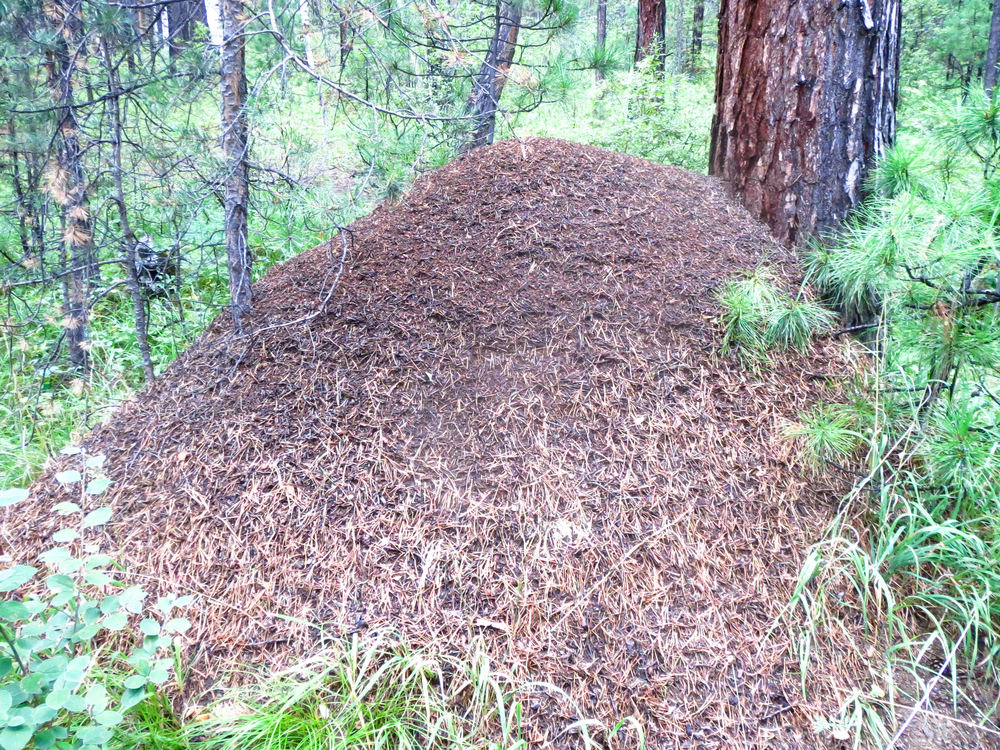
Wood ants hill

Wood ants, sometimes called mound ants or hill ants, are usually found in woodland, forest edges, heathland and other natural outdoor areas. They are known for building large, dome shaped nests made from soil, pine needles, twigs, leaves and other natural material.

Wood ants are generally not a household pest, but they can become a concern if a nest is disturbed near paths, gardens, outbuildings or work areas. They are defensive around their nests and may bite if threatened. Some species can also spray formic acid as a defence mechanism, which can cause irritation.

In most cases, wood ants should be left alone unless they are causing a direct problem or creating a safety concern.

Pharaoh Ant

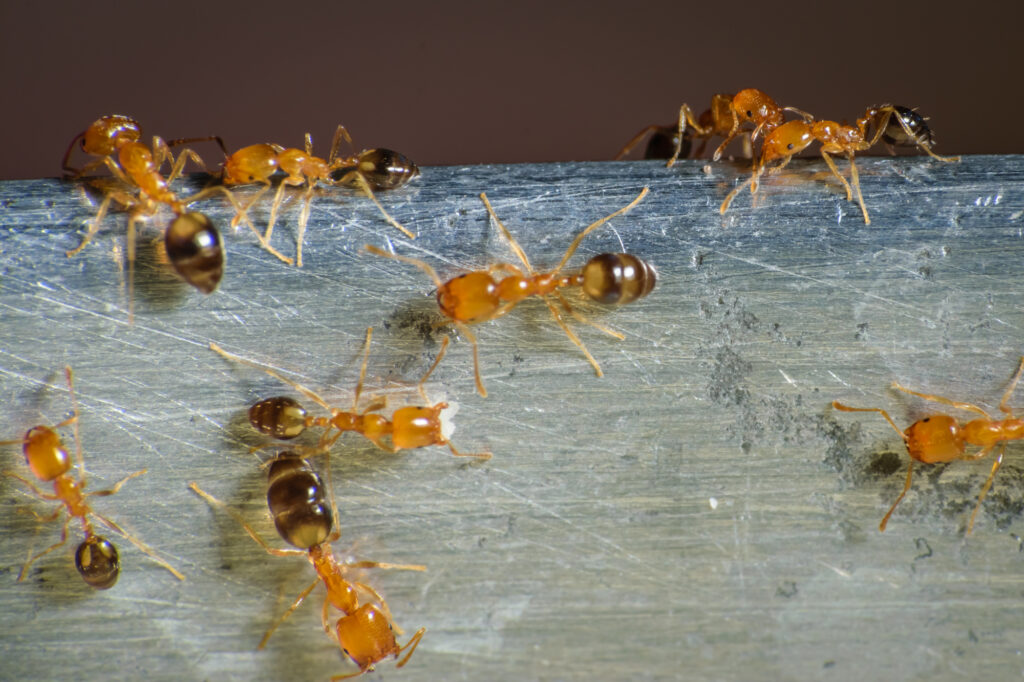
Group of pharaoh ants roaming around for food

The pharaoh ant is a small yellow to light brown ant that is more commonly found inside heated buildings than outdoors in the UK. It can infest homes, flats, hospitals, care homes, restaurants, hotels and other commercial premises.

Pharaoh ants are a serious indoor pest because they can nest in hidden areas such as wall voids, kitchens, bathrooms, boiler cupboards, floor gaps, service ducts and behind appliances. They are attracted to sweet foods, protein, grease and moisture.

Unlike black garden ants, pharaoh ants should not be treated with standard ant sprays. Spraying can cause the colony to split and spread further through the building. Professional baiting is usually required to control the infestation properly.

Yellow Meadow Ants

ellow meadow ants are commonly found in lawns, meadows, grassland and undisturbed garden areas across the UK. They are usually yellow to light brown in colour and spend much of their time underground, so they are not seen as often as black garden ants.

These ants often build small soil mounds in lawns, which can make grass look uneven or patchy. They feed mainly on honeydew from root aphids living below ground, rather than searching kitchens and food areas like other ant species.

Yellow meadow ants are not usually a serious household pest, but they can become a nuisance when their nests disturb lawns, paving edges or landscaped garden areas.

Flying Ants

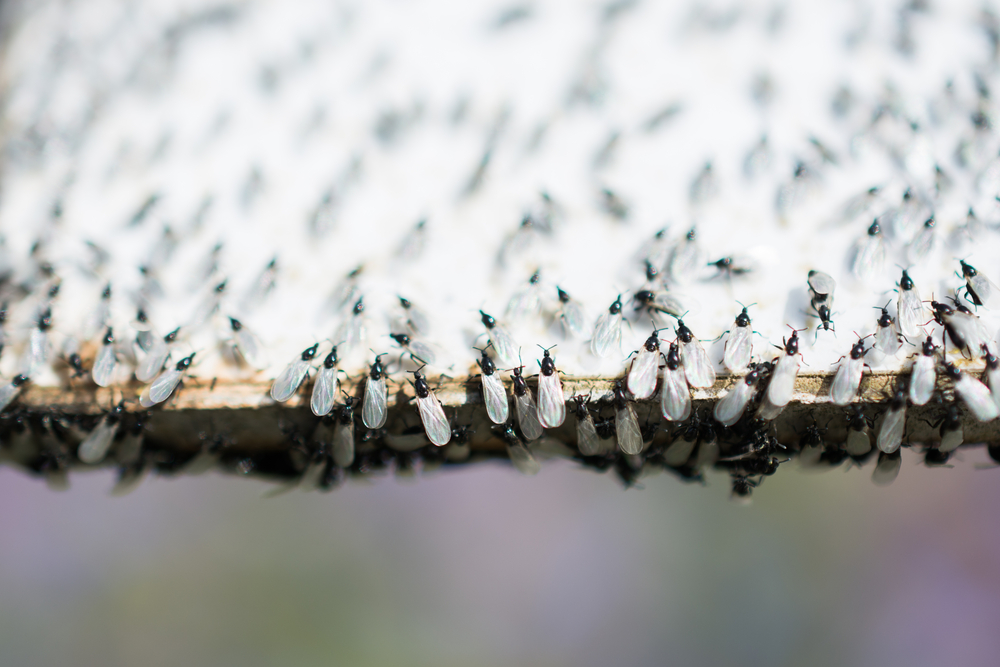
A swarm of flying ants

Flying ants are not a separate species of ant. They are winged reproductive ants, usually males and young queens, produced by established ant colonies during the warmer months.

In the UK, flying ants are most commonly seen in summer when large numbers leave their nests at the same time to mate. This is often called flying ant day, although it can happen over several days depending on the weather and local conditions.

Flying ants can look alarming when they suddenly appear around gardens, patios, windows, door frames or inside homes, but they are usually temporary. Once the mating flight is over, the males die and the fertilised queens look for suitable places to start new colonies.

If flying ants are appearing indoors repeatedly, it may suggest an active ant nest inside or very close to the property.

Argentine Ants

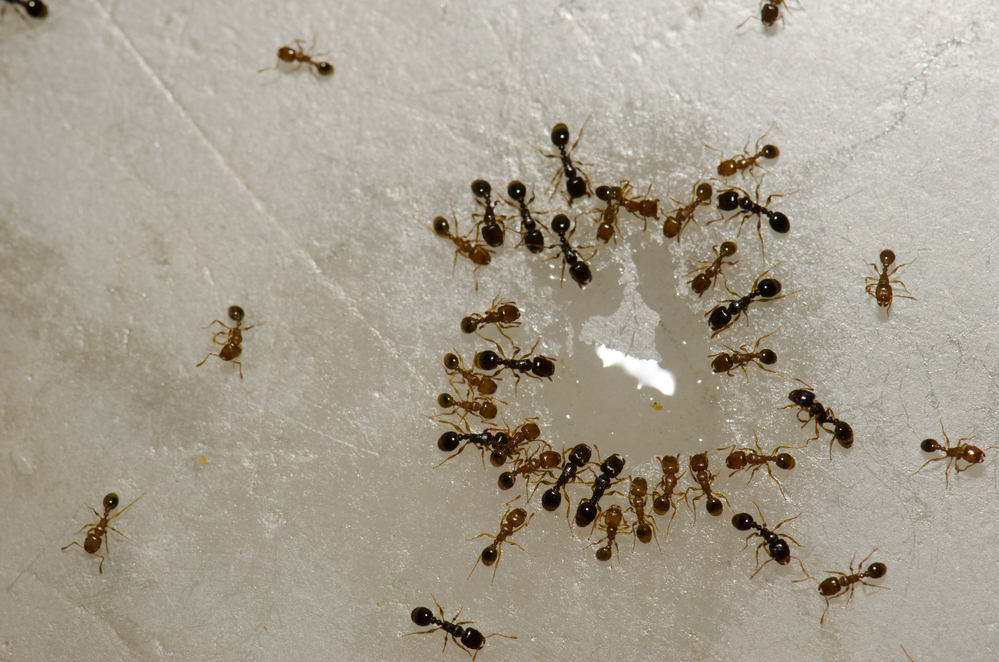
Argentine ants feeding

Argentine ants are an invasive ant species originally native to South America. Although they are not widespread in the UK, isolated populations have been recorded, particularly in warmer urban environments and areas where they have been accidentally introduced through transported goods, plants or soil.

These ants are light to dark brown in colour and are known for forming extremely large colonies containing multiple queens. Unlike many native ant species, Argentine ants from different nests will often cooperate with each other, allowing colonies to expand rapidly when conditions are favourable.

Argentine ants are attracted to sweet foods and moisture and can invade homes, gardens, commercial premises and food handling areas. In countries where they are well established, they are considered a significant pest due to their ability to outcompete native ant species and create large scale infestations.

While sightings remain relatively uncommon in the UK, any suspected Argentine ant infestation should be investigated promptly to prevent the colony from becoming established.

Ghost Ants

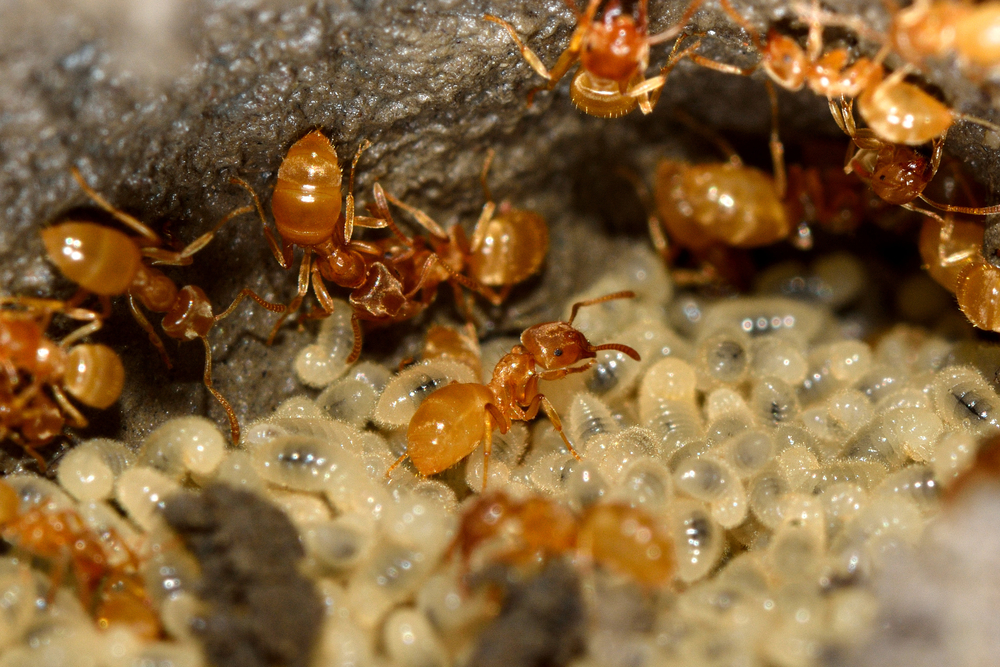
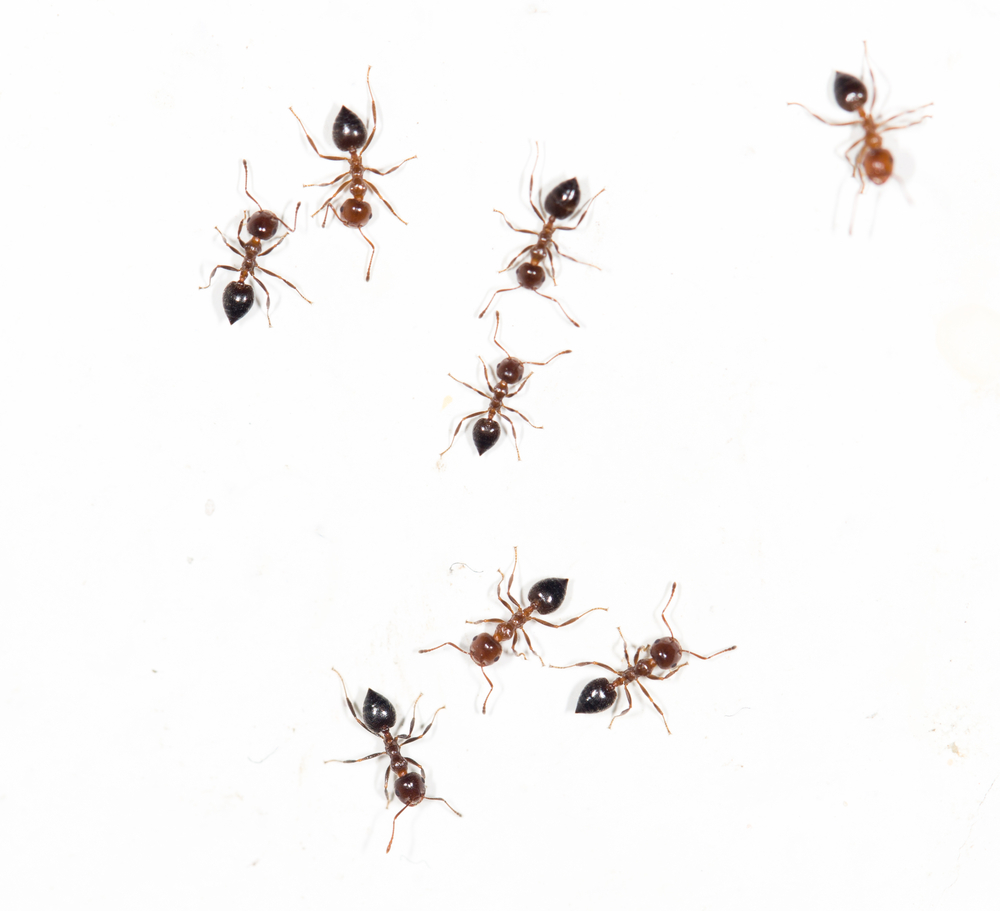
A group of ghost ants

Ghost ants are tiny pale ants with dark heads and almost translucent legs and bodies, which is where their name comes from. In the UK, they are more likely to be found inside heated buildings than outdoors, especially in flats, hotels, restaurants, hospitals, care homes and commercial kitchens.

Ghost ants are attracted to sweet foods, moisture and warm nesting areas. They can nest in hidden spaces such as wall voids, kitchen units, bathrooms, pipe runs, behind skirting boards and around appliances.

Like pharaoh ants, ghost ants can be difficult to control because colonies may split and spread if treated incorrectly. Standard sprays are often not the best option. Proper identification and a targeted baiting programme are usually needed to deal with the infestation properly.

Need Help With Ants In Your Home Or Business?

Bugwise Pest Control provides professional ant control across London and Essex, including treatment for black garden ants, pharaoh ants, ghost ants and other nuisance ant infestations. We’ll identify the ant species, locate the source of the activity and use the right treatment method to deal with the problem properly.

“`

Frequently Asked Questions

How can I get rid of an ant infestation in my home?

The best way to get rid of an ant infestation is to identify the ant species, find where the ants are entering, remove food sources and use the correct treatment. Ant bait can work well for some common ant problems because the workers carry it back to the nest.

Avoid spraying random insecticide around the home, especially if you suspect pharaoh ants or ghost ants, as this can cause the colony to split and spread further.

Are all ants in the UK harmful?

No, most ants in the UK are not harmful. Many outdoor ant species play a useful role in the environment by helping to aerate soil, break down organic matter and control small insect populations.

However, ants can become a nuisance when they enter homes, kitchens, food storage areas, restaurants or commercial premises. Some indoor species, such as pharaoh ants and ghost ants, can be harder to control and may need professional treatment.

How can I tell what type of ant is in my home or garden?

You can often identify ants by looking at their colour, size, nesting location and behaviour. Black garden ants are usually dark brown or black and commonly trail into kitchens. Yellow meadow ants are more often found in lawns. Pharaoh ants are small and yellowish, while ghost ants have pale bodies with darker heads.

If ants keep returning, appear in several rooms, or are very small and pale, it is best to get them professionally identified before treatment.

Can ants damage my home or property?

Most UK ants do not directly damage buildings in the same way as woodworm or rodents. However, ants can disturb soil, loosen paving, create small mounds in lawns and become a hygiene issue when they enter kitchens or food areas.

Carpenter ants are known for nesting in timber in some parts of the world, but they are not a common household pest in the UK. For most UK properties, the bigger issue is nuisance activity, food contamination risk and repeated ant trails indoors.

What should I do if I find flying ants in my home?

Flying ants are winged reproductive ants produced by established colonies. Seeing a few flying ants in summer is often temporary, especially during warm, humid weather.

If flying ants keep appearing indoors, appear in large numbers, or are coming from a wall, floor gap, window frame or roof void, there may be an active nest inside or close to the property. In that case, the source should be inspected rather than just killing the visible ants.

Share this Post