
Table of Contents
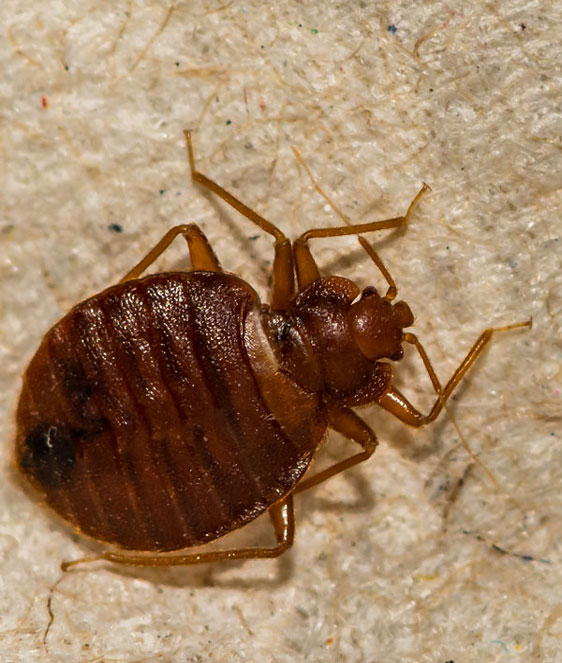
Imagine you’re about to embark on a well-deserved vacation, but the hotel you’ve booked is notorious for bed bugs. You’re probably wondering what you can apply to your skin to keep those pesky critters at bay. From essential oils known for their repellent properties to professional-grade creams designed specifically to deter bed bugs, there are several options at your disposal. You might also be curious about insect repellent lotions or DIY herbal sprays that promise protection. To find out which solutions can effectively shield you from bites, let’s explore the merits and limitations of these preventive measures further.
Key Takeaways
- Apply diluted essential oils like lavender and peppermint to skin or fabrics to disrupt bed bugs’ nervous system.
- Use insect-repellent lotions containing DEET or picaridin on exposed skin before bedtime for effective protection.
- Choose tight-weave, synthetic fibre clothing and wash in hot water to create a barrier against bed bugs.
- Opt for professional-grade creams to relieve and prevent bed bug bites, considering any allergies.
Essential Oils For Bed Bugs

Among the various methods to deter bed bugs, essential oils have shown promising results in scientific studies, offering a natural and effective approach to preventing bites. You’re part of a community increasingly turning towards greener, more health-conscious solutions for everyday problems, and essential oils represent a powerful tool in your arsenal against these pests.
When considering oil safety, it’s crucial to understand that not all essential oils are created equal. Some can be potent allergens or irritants, especially for sensitive skin or when applied in high concentrations. It’s important to perform a patch test on a small area of your skin before widespread application. Moreover, diluting essential oils with a carrier oil, like coconut or jojoba, minimizes risks and ensures safer use.
Application methods vary, but a popular approach involves adding a few drops of essential oils to your laundry, particularly when washing bedding. This not only imparts a pleasant aroma but can also act as a deterrent to bed bugs. Alternatively, creating a spray solution by mixing water with essential oils in a spray bottle allows for easy and direct application on sheets, curtains, and other fabrics in your living space, fostering a sense of safety and belonging in a pest-free home.
Insect Repellent Lotions For Bed Bugs
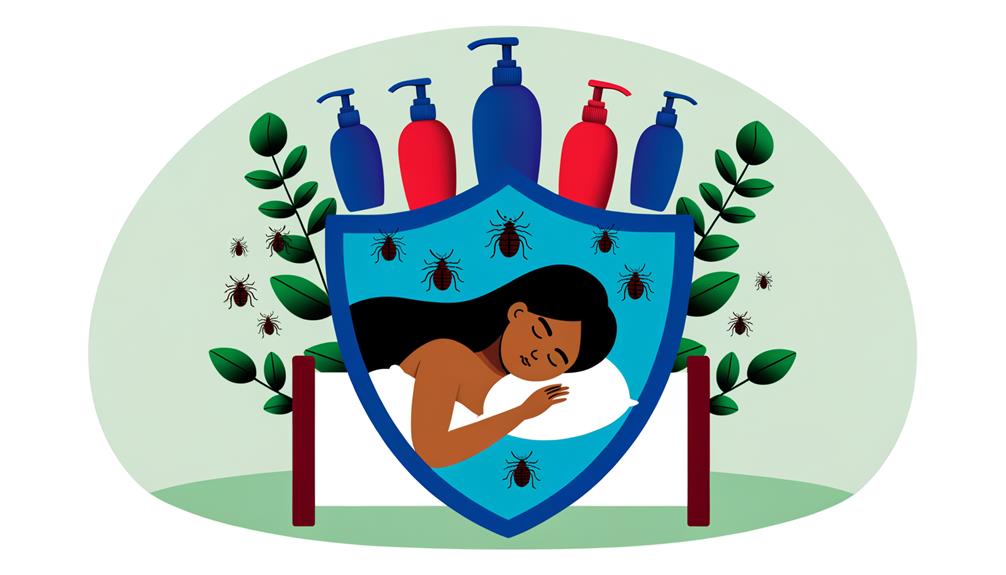
In addition to essential oils, insect repellent lotions offer a scientifically-backed method to prevent bed bug bites effectively. Unlike natural remedies, these lotions rely on chemical alternatives that have been rigorously tested for their efficacy against a wide range of insects, including bed bugs. When you’re part of a community striving to live free from the nuisance of bed bug bites, understanding the correct application techniques of these repellents is crucial.
These lotions typically contain active ingredients such as DEET, picaridin, or IR3535, which are known to disrupt the feeding behaviour of bed bugs, thus providing a barrier of protection for your skin. It’s important to apply the lotion evenly over all exposed skin before bedtime, ensuring that there are no gaps in coverage. Reapplication may be necessary if you sweat during the night or if you have a prolonged exposure period.
Bed Bug-Proof Clothing

Transitioning from topical solutions to physical barriers, bed bug-proof clothing offers an innovative layer of protection against these persistent pests. When selecting your wardrobe to ward off bed bugs, material choices play a crucial role. Fabrics with tighter weaves provide a formidable barrier, reducing the chances of bed bugs latching onto your skin. Synthetic fibres, due to their less hospitable nature for bed bugs compared to natural ones, are your allies in this battle.
Equally important are laundry techniques. High temperatures are lethal to bed bugs, so washing your clothes in hot water followed by a stint in a hot dryer is recommended. This practice not only kills any bed bugs that have made their way onto your garments but also eliminates eggs, ensuring a break in the life cycle of these pests.
DIY Herbal Sprays For Bed Bugs
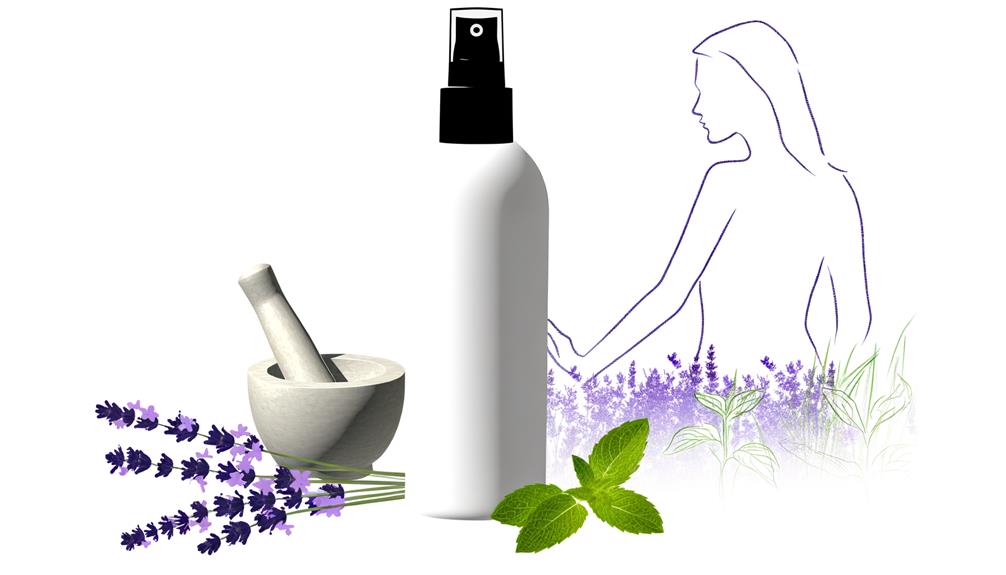
For an effective and natural approach to deter bed bugs, you can create your own herbal sprays using essential oils known for their pest-repellent properties. Essential oils, concentrated plant extracts, have been scientifically recognized for their insecticidal and repellant qualities. Lavender, peppermint, tea tree, and eucalyptus oils are among the most effective against bed bugs, disrupting their nervous system and deterring them from biting.
To craft your DIY herbal spray, mix a few drops of your chosen essential oils with water and a small amount of alcohol or witch hazel in a spray bottle. This mixture can be lightly applied to your bedding, curtains, and even your skin, creating a barrier against these pests. It’s a welcoming approach to join a community of individuals committed to natural, chemical-free living.
However, it’s crucial to address safety concerns while using essential oils. Always perform a patch test on your skin to ensure you don’t have an allergic reaction. Additionally, dilute the oils properly to avoid skin irritation. Remember, while these natural solutions offer relief and a sense of belonging among eco-conscious peers, they may not eliminate bed bug infestations, necessitating further steps for total control.
Professional-Grade Creams
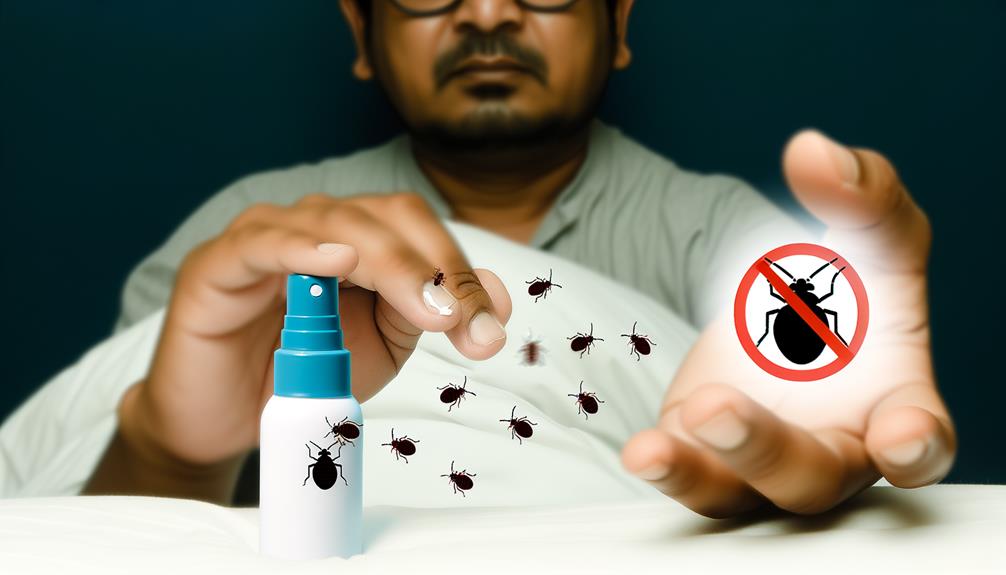
If you’re seeking a more potent solution to bed bug bites, professional-grade creams offer targeted relief with scientifically formulated ingredients. These creams are meticulously crafted to address the irritation and discomfort bed bug bites cause, leveraging advanced dermatological knowledge to soothe your skin effectively. When selecting a cream, it’s crucial to consider allergy concerns; many professional formulas are designed to be hypoallergenic, minimizing the risk of adverse reactions. This consideration is paramount for those of you with sensitive skin or known allergies, ensuring you’re not only protected from bites but also from potential irritants.
Application methods for these creams are straightforward, yet it’s essential to follow the instructions precisely for optimal efficacy. Typically, a thin layer applied to the affected area before bedtime forms a protective barrier against bed bugs. This not only alleviates the itching and swelling from previous bites but may also deter future incidents. As part of a community that values well-being and peace of mind, adopting the use of professional-grade creams can be a significant step towards ensuring your nights are undisturbed by the discomfort of bed bug bites, offering you a sense of belonging in a circle that prioritizes health and comfort.
You may also enjoy reading this article
What Can I Spray on My Mattress for Bed Bugs?
Was This Article Helpful?
- Please provide feedback and comments to help us improve our content.
- Share your experiences and any additional tips you have for dealing with pests.
Share this Post